
Introduction to Exterior Home Wall Paints
Exterior home wall paints are an essential component of any residential architecture, providing not only a barrier against environmental elements but also enhancing the visual appeal of a property. High-quality exterior paints play a significant role in protecting homes from adverse weather conditions, including rain, sunlight, and temperature fluctuations. By forming a dependable shield, these paints help to prevent issues such as moisture intrusion, mold growth, and deterioration of the underlying materials.
In addition to protection, the aesthetic enhancement offered by exterior home wall paints is noteworthy. A well-painted home not only reflects the owner’s personal style but also contributes to the neighborhood’s overall visual cohesion. Different finishes and colors can evoke specific feelings or themes, allowing homeowners to express their uniqueness while simultaneously increasing the property’s curb appeal.
Furthermore, using high-quality exterior paints can lead to significant value addition to properties. When maintained well, the exterior walls of a house can showcase a polished look that is attractive to potential buyers. Mithila paints, known for their durability and rich hues, serve as an excellent example of how the right choice can enhance a home’s overall marketability.
Ultimately, investing in good exterior wall paints is a strategic decision that goes beyond mere aesthetics. It safeguards the home’s structure, elevates its external charm, and can even yield a high return on investment when it’s time to sell. Therefore, understanding the importance of selecting suitable exterior wall paints is crucial for every homeowner looking to maintain and enhance their property’s longevity and appeal.

Understanding Different Types of Exterior Paints
When it comes to selecting the right exterior wall paint for your home, it is essential to understand the various types available in the market, each offering distinct properties and advantages. One prominent category is acrylic paint, known for its water-based composition. Acrylic paints are recognized for their durability, flexibility, and ability to withstand changing weather conditions. They dry quickly, making them an excellent option for quick renovations and projects, and are less prone to fading, ensuring that your home maintains its aesthetic appeal over time.
Another popular choice is latex paint, which, like acrylic, is water-based. Latex paints are favored for their ease of application and clean-up with soap and water, making them a user-friendly option for DIY enthusiasts. They provide a broad selection of colors and finishes and are highly resistant to mildew and mold, which is particularly beneficial for humid climates. However, while latex paint delivers fantastic stretch and adhesion, it is important to note that it may not adhere as well as more oil-based alternatives in very extreme temperatures.
Oil-based paints are also significant contenders, especially known for their excellent leveling ability, which results in a smooth finish. They are more resistant to wear and tear and are often used for high-traffic areas or surfaces that require frequent cleaning. However, oil-based paints tend to take longer to dry and necessitate solvents for cleanup, making them slightly less convenient than their water-based equivalents.
Lastly, specialty paints cater to specific needs, such as anti-graffiti coatings or heat-reflective paints that can help manage temperature efficiency in your home. By understanding these various types of exterior paints, including mithila paints, homeowners can make informed decisions tailored to their needs and preferences.
Factors Affecting the Longevity of Exterior Paints
When it comes to the durability of exterior paints, several critical factors play a significant role in determining their longevity. Understanding these factors can help homeowners make informed decisions when selecting and applying paint for their walls, ensuring the best possible outcome. One primary factor is the climate conditions in which the paint is used. Extreme weather conditions, including intense heat, frigid temperatures, and high humidity levels can adversely affect the performance of paints. For instance, prolonged exposure to moist conditions may lead to mold growth and peeling, while direct sunlight can cause fading and degradation over time.
Another essential element is surface preparation. The longevity of any paint, including specialized options like mithila paints, depends heavily on how well the surface has been treated prior to application. A clean, smooth surface allows for better adhesion of the paint, reducing the chances of blistering or flaking. Proper priming of the surface, especially for porous materials or previously painted surfaces, enhances the durability of the paint layer. Therefore, it’s highly recommended to invest time in meticulously preparing the surface before the paint is applied.
The application methods also influence the lifespan of exterior paints. Using the proper tools and techniques during application can significantly impact the paint’s durability. For example, brushing, rolling, or spraying each has its benefits, and selecting the right one for the specific type of paint and surface can lead to optimal results. Moreover, applying multiple coats, as suggested by professional guidelines, can add an additional layer of protection against the elements.
Lastly, the quality of the paint itself cannot be overlooked. High-quality paints, such as those inspired by traditional mithila art, contain better ingredients that enhance their resistance to environmental factors. Selecting paints with high durability ratings ensures that homeowners invest in products designed to withstand the test of time.
Choosing the Right Color and Finish for Your Home
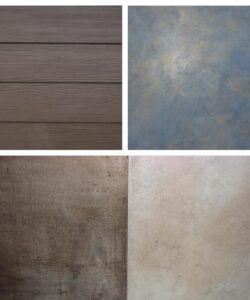
When it comes to selecting exterior wall paints for your home, the choice of color and finish plays a vital role in not only aesthetics but also in setting the mood and enhancing architectural features. Understanding color theory can provide valuable insights into how colors interact with one another and the surrounding environment. For example, lighter shades tend to create a sense of openness, making spaces feel larger, while darker tones can add depth and sophistication.
Incorporating colors that harmonize with the natural surroundings can help your home blend seamlessly into the environment, creating a cohesive look. Furthermore, the psychological impacts of color should not be overlooked; hues like blue evoke calmness, while vibrant yellows can energize a space. As such, the selection of colors should align with the desired atmosphere you wish to cultivate in your home’s exterior.
Next, considering the finish of your mithila paints is equally crucial. Different finishes, such as matte, satin, or glossy, can significantly alter the appearance and durability of the paint. A matte finish offers a more subdued look that can hide imperfections, while a glossy finish reflects light, often bringing out the richness in color and enhancing design details. Additionally, certain finishes provide different levels of protection against environmental factors. For instance, satin or semi-gloss finishes tend to be more washable and resistant to fading, making them preferable for areas exposed to intense weather conditions.
Ultimately, the right combination of color and paint finish not only enhances the aesthetic appeal of your home but also contributes to its longevity. Therefore, when choosing mithila paints, ensure that both color and finish align with your vision for the home while also considering practical aspects driven by your local climate and environmental conditions.

Preparation: The Key to Successful Painting
When it comes to achieving a long-lasting finish for exterior home wall paints, proper preparation cannot be overlooked. Before any paint, including options like mithila paints, is applied, the surface must be meticulously prepared to enhance adhesion and durability.
The first step in this process is cleaning the surface thoroughly. Remove any dirt, dust, or grease using a pressure washer or a stiff-bristled brush with a mixture of water and mild detergent. This task is essential, as contaminants can hinder the binding of the paint, leading to peeling or flaking in the future. For surfaces subject to mold or mildew, a solution of bleach and water can effectively eliminate these growths, ensuring a smooth application.
After cleaning, it is important to inspect the walls for any damages. Cracks, holes, or areas where the paint has begun to peel should be repaired before proceeding. For small cracks, an exterior-grade filler or spackling compound can be used. Larger damages might require the use of masonry repair products or application of new siding altogether. Ensuring that the surface is even and intact is crucial for the long-term success of any paint job, particularly when using specialty products like mithila paints.
Once repairs are complete, the next vital step is priming the surfaces. A good primer prepares the substrate and provides a uniform surface for the paint, especially when painting over bare wood, metal, or patched areas. Select a primer compatible with the chosen paint type; for example, using an acrylic primer under acrylic paints can yield optimal results. Take care to allow adequate drying time for both the repairs and primer before applying the final coats of exterior wall paint. By investing time in this preparation, the overall lifespan and aesthetic appeal of the paint finish are significantly enhanced.
Application Techniques for Long-Lasting Results
When it comes to applying mithila paints on exterior walls, the technique utilized plays a vital role in determining the longevity and appearance of the finish. Three common application methods include brushing, rolling, and spraying, each offering unique advantages that can enhance the effectiveness of the paint.
Brushing is often preferred for detailed work and smaller areas, allowing for precision and control. It enables the painter to work the mithila paints into cracks and uneven surfaces, ensuring better adhesion and coverage. For larger flat surfaces, rolling is generally recommended. This method allows for greater speed and efficiency while still ensuring a consistent application. It is essential to choose the correct nap length for the roller, as this can affect the texture of the finish. A roller with a longer nap may hold more paint and is ideal for rough surfaces, while a shorter nap works well on smooth walls.
Spraying is another effective technique, particularly when dealing with extensive areas or intricate details. This method provides an even coat and can significantly reduce the time spent on larger painting projects. However, it does require practice to master, and proper safety measures—such as using a mask—should always be observed due to the fine mist produced. Regardless of the chosen technique, it is essential to consider environmental factors like temperature and humidity. Optimal conditions typically range between 50°F to 85°F (10°C to 29°C) with humidity levels below 70%. Applying mithila paints in such conditions ensures faster drying times and minimizes the risk of paint defects like bubbling or peeling.
Each of these techniques has its own merits, but the key to achieving long-lasting results lies not only in the technique employed but also in preparing the surface correctly and understanding the environmental conditions during application. Employing these strategies will enhance the durability and appearance of your exterior paint job.
Top Brands and Products for Exterior Wall Paints
Choosing the right exterior wall paint is crucial for enhancing the appearance of a home while providing a durable protective layer. Among the leading brands in the industry, several have garnered positive attention for their high-performance products. One such brand is Mithila Paints, renowned for its eco-friendly formulations that deliver exceptional color retention and weather resistance. Their paints are crafted to withstand harsh environmental conditions, making them a preferred choice for homeowners seeking longevity.
Another notable contender is Sherwin-Williams, known for its extensive selection of exterior paints tailored to meet various aesthetic and performance needs. Their SuperPaint line offers superior coverage and adhesion, and their products are frequently recommended by professional painters. Customers appreciate Sherwin-Williams for its color matching capabilities, allowing for personalized exterior design.
Behr, another leading brand, provides a range of exterior paints that are both durable and affordable. The Behr Premium Plus line is particularly favored for its mildew resistance and smooth application, making it suitable for homeowners who prefer DIY projects. Furthermore, Behr offers a satisfaction guarantee, reflecting their commitment to quality.
Additionally, Benjamin Moore’s Regal Select Exterior paint is lauded for its excellent hiding power and long-lasting finish. It is particularly praised in consumer reviews for its ability to resist fading and peeling, ensuring that homes maintain their curb appeal over time. The value of product warranties cannot be overstated, and many brands, including Mithila Paints and Benjamin Moore, offer substantial warranties that reinforce their trust in the durability of their products.
In conclusion, selecting high-performance exterior wall paints from renowned brands such as Mithila Paints, Sherwin-Williams, Behr, and Benjamin Moore can significantly influence the longevity and aesthetics of a home. Each of these brands comes highly recommended based on consumer reviews, expert opinions, and reliable product warranties, ensuring confidence in your purchasing decision.

Maintenance Tips for Keeping Your Exterior Paint Fresh
Maintaining the vibrancy and integrity of your home’s exterior paint is essential for both aesthetic appeal and protection against environmental factors. One of the primary steps in ensuring the longevity of your exterior mithila paints is regular cleaning. Dust, dirt, and grime can accumulate over time, compromising the paint’s finish. It is advisable to wash the exterior walls every six months to a year using a mild detergent and a soft-bristle brush or sponge. This can effectively remove harmful contaminants without damaging the paint.
In addition to routine cleaning, periodic inspections are crucial. Homeowners should carefully examine their walls for any signs of peeling, blistering, or fading. These indicators suggest that the protective layer of paint is wearing thin, and addressing them promptly can prevent more extensive damage. If you notice small cracks or chips in the paint, make sure to touch them up immediately with a matching paint to reinforce the protective barrier against moisture intrusion.
Another important maintenance aspect involves being aware of the changing seasons. Exposure to harsh weather conditions, including heavy rain, snow, and extreme UV rays, can take a toll on your exterior paint. Therefore, it’s beneficial to carry out a thorough inspection after each season, particularly after winter and heavy rain, to identify any areas that require attention. Additionally, if you observe mold, mildew, or other growing infestations on your walls, it is essential to address those issues promptly with the proper cleaning solutions.
Ultimately, understanding when it may be necessary to repaint professionally is vital. Signs such as significant discoloration, extensive cracking, or extensive peeling indicate that the protective properties of your exterior mithila paints have diminished. In such cases, consulting with professionals ensures that your home receives the necessary care to restore its appearance and protect it from further deterioration.
Conclusion
Investing in quality exterior paints is a crucial decision for homeowners looking to enhance the longevity and aesthetics of their properties. With a plethora of options available, it is essential to choose paints that not only elevate the visual appeal of the home but also offer protection against climatic elements. Specifically, mithila paints provide an excellent choice, combining durability with a rich palette of colors, which can transform ordinary walls into stunning facades.
The significance of selecting high-quality exterior paints cannot be overstated. Superior formulations resist fading, peeling, and chipping, thus reducing the frequency and costs associated with repainting. Moreover, high-performance paints, including specialized mithila paints, are designed to withstand harsh weather conditions, providing a resilient barrier that protects your home’s structure over time.
Furthermore, investing in long-lasting paints is not merely about aesthetics; it is also about safeguarding the integrity of your home. Using quality products can prevent moisture intrusion, which leads to damage such as mold, mildew, and rot. Therefore, selecting the right exterior paint, such as renowned mithila paints, is a proactive measure to preserve the value of your property.
In summary, the right exterior wall paints play an instrumental role in maintaining both the beauty and durability of your home. When homeowners prioritize quality and invest in proven products, they ensure that their exteriors are beautiful, protected, and enduring. By making informed choices and considering options like mithila paints, you set the stage for a long-lasting investment that enhances your home’s overall appeal and protects your assets for years to come.